
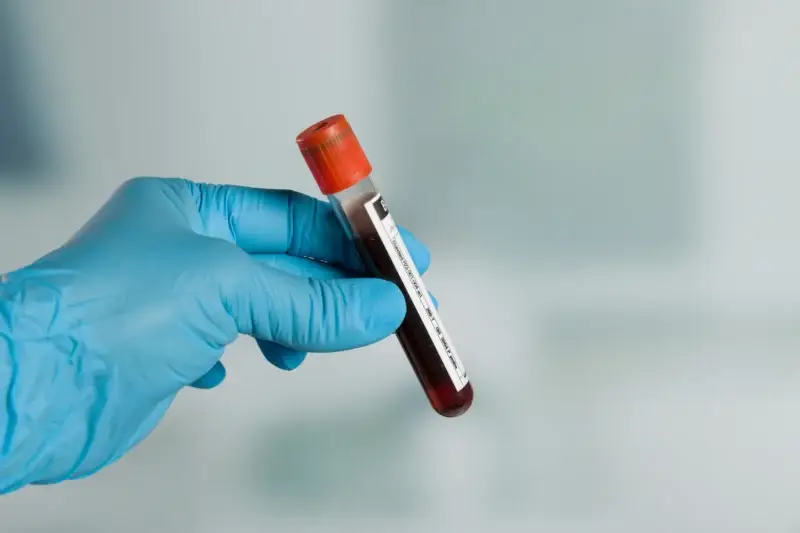
“Why is RHS asking me not to eat fish or take an omega-3 supplement before my wellness blood work.”
Many of our patients are asking themselves this question. In early 2017, Cleveland Heart Labs launched a new test to determine the level of trimethyleneamine oxide (TMAO) in the blood. In 2011, major peer-reviewed journals began to publish studies showing that the presence of TMAO in the blood is a very important marker of cardiovascular risk. If elevated, a person with no known disease has a 2.5-fold increased risk of heart attack or stroke. People with known coronary artery disease, heart failure, or peripheral artery disease (PAD) have a 2.7-4.0-fold increased risk of death! Omega-3, found in fish or through supplements, can artificially impact TMAO readings. We ask patients not to consume fish or take these supplements at least 48 hours before wellness blood work to ensure an accurate TMAO test.
TMAO is created when high risk bacteria in our intestine get into the bloodstream. This is called leaky gut syndrome. The bacteria convert chemicals found in certain foods into TMAO. The foods involved are those containing L-carnitine, choline, and phosphatidylcholine, which are found in dark meats, whole dairy products, energy drinks, and some supplements.
The good news is that in our experience at RHS, only about 20% of patients tested have been found to have an elevated TMAO. To be clear, a normal TMAO test does not mean you are free from leaky gut. It just means that if problems exist, they are not elevating your TMAO…yet.
If your is TMAO is elevated, you can follow a basic plan to manage your risk. First, temporarily minimize how much of these associated foods you consume or eliminate them, if you are open to it. Simultaneously strive to heal your intestine from the inflammation causing the flow of microorganisms into your bloodstream. Lastly, correct the mismatch of good/bad bacteria present in your intestine.
We will talk to you about an approach to heal your intestinal inflammation. Correcting your good/bad bacteria mismatch is straightforward:
- Eat probiotic foods or take a probiotic supplement.
- Feed good bacteria by eating prebiotic foods.
- Starve the bad bacteria by limiting sugar intake.
Once you have healed your gut, corrected the bacteria mismatch, and your TMAO has returned to normal, you may reintroduce the foods you were restricting in moderation, and monitor your TMAO.