
Is Your Health on the Right Path?
Every decision becomes the next step.
The path you follow today influences your memory, activity, and independence in the years ahead.
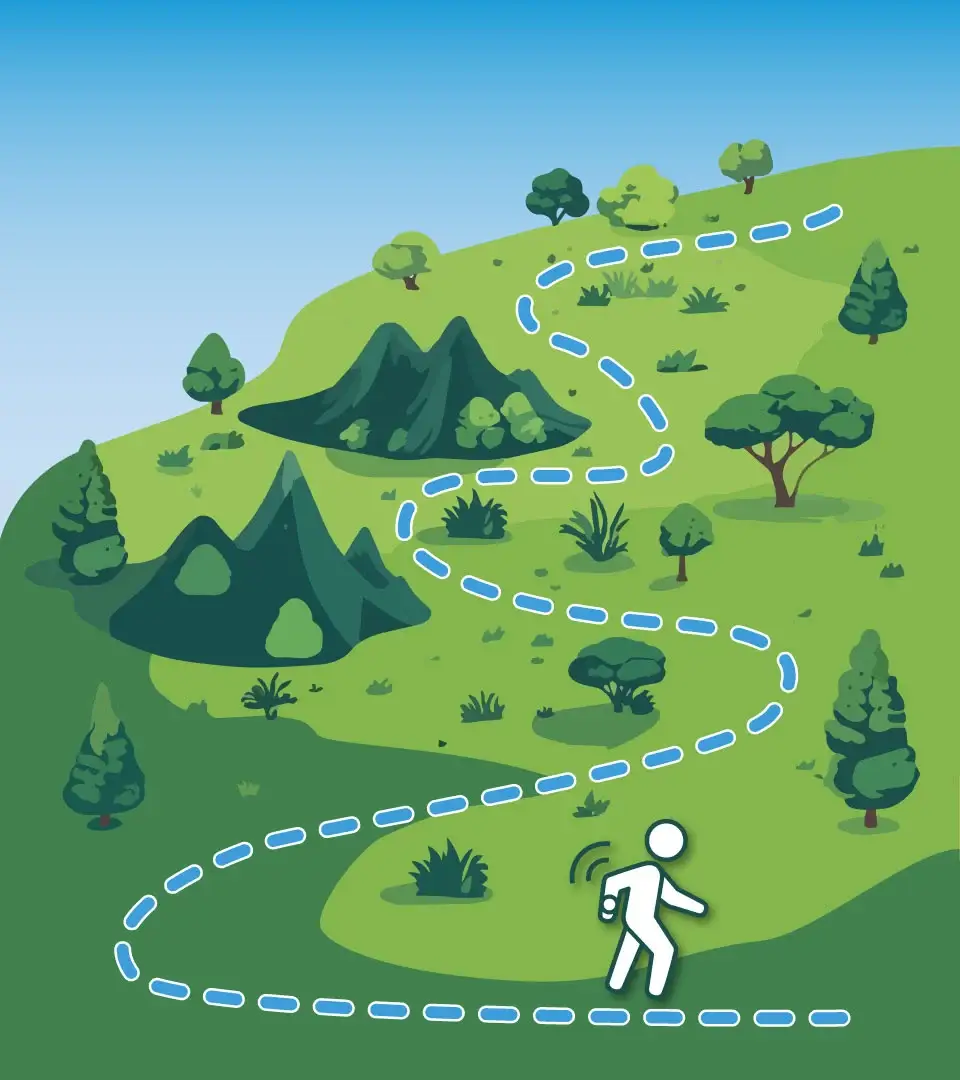
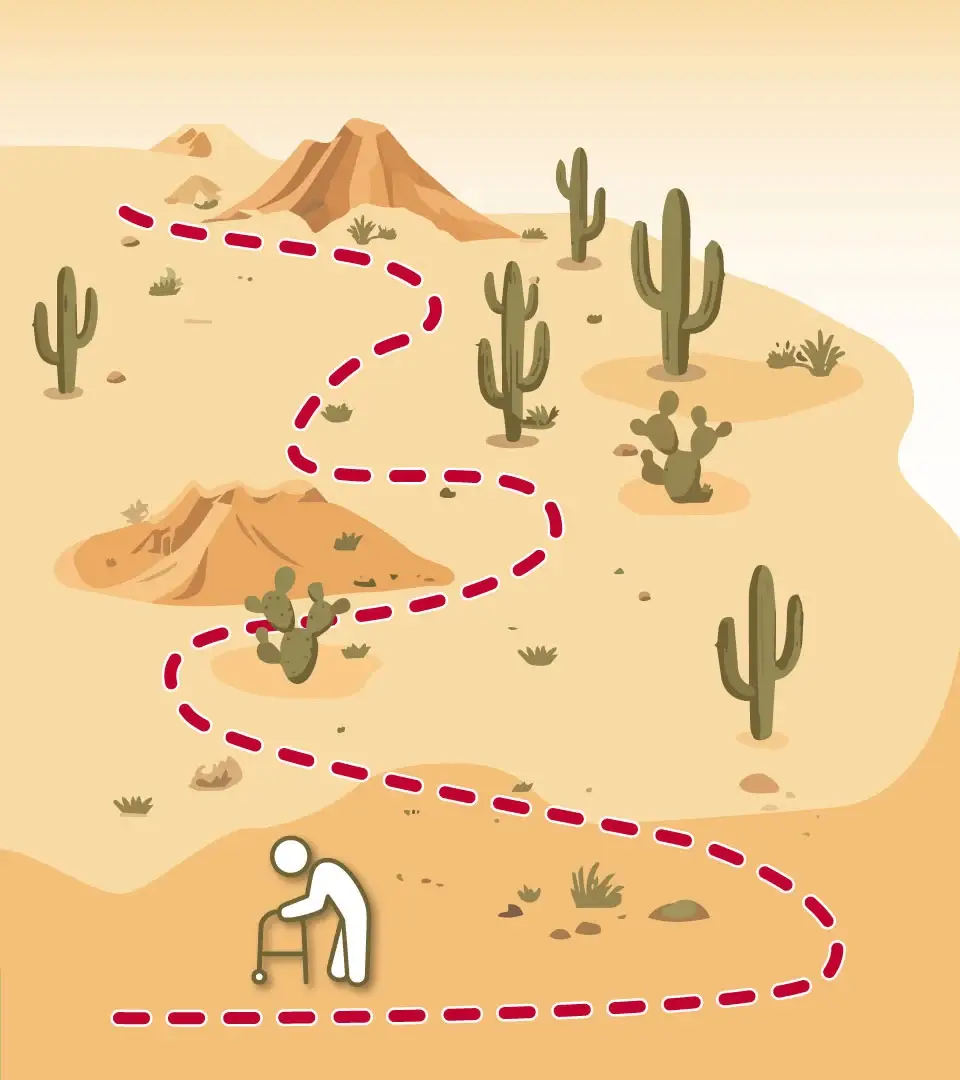
Your path begins decades before disease...
Wondering where you are on your own health journey?
Our Health MAP (Measure. Assess. Plan.) helps identify where you are today and creates a personalized roadmap for moving forward.
Relationships and Spiritual Health
Dr. Charles Whitney

Spiritual health is not religion.
We believe that every human was created for a purpose, to love.
Spiritual health is having a volition to love, to discover choices needed to walk the perfect path of life that will allow us to come, “closest to the pin,” maybe even hit a hole-in-one!
A home cannot run only on its 110 circuit. It will burn out without the support of its 220 circuit. They need to function in harmony.
So too will our physical health burn out if we neglect our unseen, immeasurable spiritual health. They need to function in harmony.
Robust spiritual health starts with relationships. Strive vigorously to add value, to help, to love all beings that are in our life.
Love free from self-focus, conceit, and vanity.
Love is the foundation of health!
Lifestyle Changes Overview
Dr. Charles Whitney

Optimizing your lifestyle is a cornerstone of preventing and stabilizing vascular plaque. To many, the phrase “lifestyle changes” is overwhelming and downright depressing because we all know it includes losing weight, exercising, and quitting smoking, all of which can be very difficult.
However, many changes are simple and every small improvement will help to put out the fire of inflammation, improve insulin resistance, and reduce vascular risk. We will prioritize the most critical changes, attempting to address only one at a time.
Weight loss
- We will discuss options.
- Even just 10% weight loss reduces your cardiovascular risk by at least 50%.
- Don’t go in with the word “diet” in mind. Diets eventually end. Weight loss is just the first step towards optimal health. Habits of health must be permanent!
- Don’t forget your children! A New England Journal of Medicine study reports that 39% of obese children (average age of 12) had insulin resistance.
- Insulin resistance predates diabetes by 15-20 years.
- It’s therefore not surprising that since the incidence of childhood obesity has increased 400% in the past 40 years, the incidence of type II diabetes in 30s-40s year olds has also increased 400%. This in turn will lead to earlier vascular disease.
Healthy food choices
- The ideal nutritional intake blends the Mediterranean diet with a low glycemic index diet.
- Artificial sweeteners- It appears that artificial sweeteners increase insulin release similar to regular sugar. It may not have the calories, but when it comes to producing insulin, our body cannot tell the difference.
- Alcohol- Moderate consumption reduces heart attack risk, raises HDL, and may lower LDL. A major exception is in those with the APO E4 genotype, in whom LDL increases and HDL decreases. Those with APO E4 genotype should minimize alcohol. Moderate consumption is defined as 1 drink per day for women and 1-2 drinks per day for men.
- Hibiscus tea lowers blood pressure- Three 8 ounce servings daily
- Fiber reduces inflammatory markers if your BMI is <30 and your blood pressure is normal.
- Chocolate- 5 grams of dark chocolate daily reduces heart attacks and strokes.
- Cranberry juice- One if cup of 27% pure cranberry juice daily can increase HDL.
Supplements
- Omega 3 fish oil- Fish is a much better source than plants. Humans have minimal ability to convert alpha linoleic acid in plants to active omega 3 fatty acids. There are many benefits to omega 3 fish oil:
- It stabilizes electrical system of the heart to reduce the risk of sudden death and atrial fibrillation.
- It reduces heart attack risk by 19-29 percent through reduced inflammation and improved plaque stability.
- Reduces blood pressure
- Reduces dementia- Likely through lessening multi infarct dementia, a common form of dementia.
- Large doses reduce inflammation in rheumatoid arthritis
- May improve anxiety, macular degeneration, ADD, and other conditions
- The optimal dose is debatable, typically 2-6 pills daily for cardiovascular protection.
- Vitamin D- For cardiovascular protection, the goal is a level of 50-70. It increases HDL and can reduce the incidence of muscle aches caused by statins. It may reduce the overall risk of heart disease and diabetes. We will measure levels. Most vitamin D is produced by sun exposure so often extra supplemention is needed during the winter months.
- Coenzyme Q10- It may reduce muscle aches cause by statins. Take 100-200 milligrams (Ubiquinol form) daily.
- L-Carnitine- 2 grams per day may lower LP(a).
- Magnesium- Taking 300 mg per day improves insulin functioning and inflammatory markers. Many calcium supplements contain magnesium. Good food sources are halibut, almonds, raisins, spinach, bananas, avocados, black eyed peas, brown rice, kidney and pinto beans, and whole grain cereal.
- Cinnamon- One gram daily may improve insulin resistance.
- Chromium picolinate- 600 mcg daily can also improve insulin resistance.
Physical activity
- A 2002 Stanford study showed that improving your fitness was the most effective way to reduce your mortality from all causes, not just vascular disease. It was more effective than weight loss, diabetes control, and smoking cessation. Participants who improved their maximum aerobic capacity by 5 METS decreased mortality by 45%.
- For weight loss and insulin resistance, the recommendation is 60-90 minutes of any physical activity on most days. Simply find creative ways to increase your number of steps per day. A good goal is 10,000 steps per day, but start by increasing your baseline by 2000 steps per day.
- More vigorous exercise will protect your arteries by reducing inflammation and improving endothelial function. The goal is to do moderate aerobic exercise for 30 minutes 5X weekly, or vigorous exercise for 20 minutes 3 times weekly. A minimum of 10 minute “bouts” is adequate. Exercising 10-15 minutes twice daily meets your goal.
- Interval training is most effective at improving insulin sensitivity, increasing HDL cholesterol, and burning visceral fat.
Peace is good….. Stress is bad
- Relaxing music, humorous videos, and relaxation tapes have all shown to improve blood flow through arteries. Anxiety provoking music reduces flow.
- Watching a comedy movie improves arterial flow and watching a D-day movie worsens flow.
- Having a religious affiliation (any religion) has a positive effect on an array of illnesses and may even increase overall longevity.
Rest
Working men who take at least three 30 minute naps weekly have significantly fewer cardiac deaths than men who don’t. No correlation was seen in non-working people.
Vaccines
- Influenza is very pro-inflammatory. There is a 50% reduction in cardiovascular deaths in people who have received the flu vaccine.
- Pneumonia vaccine does not produce the same results. It is only recommended for those > 65 years old, and anyone with a respiratory disease like asthma or COPD.
Oral health
Critically important. Click here for more information.
Sleep Apnea
Dr. Charles Whitney

As the weight of our country rises, so does the incidence of obstructive sleep apnea (OSA). Sleep apnea is when we stop breathing while we sleep. It can be brief or last for several seconds which can cause our oxygen level to drop dramatically. It is estimated that about 43 million Americans suffer from this very treatable condition. See the chart below describing the prevalence of OSA in various medical conditions.
| Condition | % with Obstructive Sleep Apnea | Source |
| High Blood Pressure | 30% | Nieto-JAMA 2000 |
| Drug Resistant High Blood Pressure | 83% | Logan- Hypertension 2001 |
| Congestive Heart Failure | 85% | Jiang- Journal of Cardiac Failure 2007 |
| Atrial Fibrillation | 49% | Gami-Nat Clin Pract Cardiovasc Med 2005 |
| Coronary Artery Disease | 38% | Moore- Am J Resp Crit Care Med 2001 |
| Stroke | 92% | Noradina- Singapore Med J 2005 |
| Metabolic Syndrome (pre-diabetes) | 50% | Ambrosetti- J Cardiovasc Med 2006 |
| Type II Diabetes | 48% | Einhorn- Endocrinology Practice 2007 |
| Obese Diabetes | 70% | Brooks – J Clin Endocrinol Metab 1994 |
| Obesity with BMI>35 | 50% | Fritscher- Obesity Surg 2007 |
| Acid Reflux | 60% | Valipour- Chest 2002 |
| Simple Snoring | 60% | Valipour- Chest 2002 |
One misconception is that a person must be obese to have sleep apnea. Many people with sleep apnea are quite thin and simply have oral muscles that relax too much while sleeping. This is accentuated by alcohol consumption. As noted above, 60% of all people who snore have sleep apnea.
Most people are familiar with common sleep apnea symptoms like daytime fatigue and “snorting” while sleeping. Lesser known symptoms are difficult to control blood pressure and blood sugar, as well as acid reflux (especially at night). It also increases nighttime urination. OSA is commonly misdiagnosed as an enlarged prostate or overactive bladder. Lastly, it may be the cause for difficulty with weight loss.
Advanced technology has made testing much easier. It used to require an overnight stay in a sleep lab where you are strapped to many wires. In 2008, the American Society of Sleep Medicine approved the use of home monitors, allowing testing to be done in the comfort of your own home.
If you are diagnosed with sleep apnea, there are four treatment options:
- Effective weight loss is the cornerstone of treatment and often cures OSA.
- For mild/moderate sleep apnea, a well fitting oral device can often resolve OSA while you attempt weight loss. Many insurance companies, including Medicare, are now paying for these devices.
- CPAP or BiPAP- this is a nose or face mask worn while sleeping that provides pressure and oxygen to assist breathing. It is usually very effective and is tolerated by a majority of people.
- Surgical treatment is usually a last resort.
It’s amazing how much better people feel when OSA is successfully treated. It can also dramatically lower blood pressure, blood sugar, vascular inflammatory markers, and allow for more effective weight loss.
We offer the use of a home sleep monitoring device to our patients. The device simply straps on your forehead like a headband. Although it can be a little annoying, the valuable information obtained is well worth the inconvenience.
The cost is $200, which you submit for out-of-network reimbursement if your insurance plan allows you that capability. The co pay for testing in a sleep center is usually the same as your copay for a one day stay in the hospital, typically $125-$200. It may cost up to $1,200 if you have a high deductible Health Insurance.
Who should be tested?
Everyone who has had a stroke or heart disease should be tested. In April 2011, the American Diabetes Association recommended that all diabetics be tested. It should also be considered for anyone who has the conditions listed in the chart above.
High Functioning Immunity
Dr. Charles Whitney

A robust immune system is the critical cornerstone if you want a long health span. Most longevity efforts offer 1 or 2 tools. We identify the obstacles preventing your immune system from functioning as nature intended and craft a precision strategy to allow your body’s innate healing intelligence to thrive. Optimal immune function is the fountain of youth!
Activate Your Young Genes
Dr. Charles Whitney

DNA is our personal genetic code. It is made up of thousands of genes we receive from our parents. Scientists finished mapping the human genome in 2003. This information has taught us that very little of our DNA is active at any given time.
There are groups of “young genes” generally turned on in young people, but become inactive as we age. Others called “old genes” are inactive in our youth, but turn on as we age. Research is showing that many of our young genes can be turned back on through implementing habits of health. We have actually discovered the fountain of youth!

Toxin Exposure
Dr. Charles Whitney

We live in a toxic world. To survive we must be able to eliminate toxins introduced through our environment and those internally produced by normal metabolism. Toxic waste is processed by our kidneys and liver, then eliminated through bowel movements, urine, and skin.
Those who are either overexposed or who inadequately eliminate toxins are at risk for chronic diseases like cancer and dementia. Some people have a genetically poor ability to naturally detoxify. Fortunately, many of the body’s natural detoxification pathways can be supported through nutrition, movement, sleep, and reducing unnecessary exposures.
Vascular Stability/Inflammation
Dr. Charles Whitney
Oxidative stress
Oxidation produces damaging free radicals. Oxidation is actually normal and occurs in common human functions such as when our immune system fights an infection. What we need is a balance between the oxidative formation of free radicals and their clearance by antioxidants which scavenge the free radicals. Examples of antioxidants are cruciferous vegetables, HDL cholesterol, and chemicals produced by aerobic exercise. It may or may not add to vascular inflammation.
F2 Isoprostane- Measures oxidative stress. If elevated, we need to determine why and consider treating other risk factors more aggressively.
Inflammatory Markers
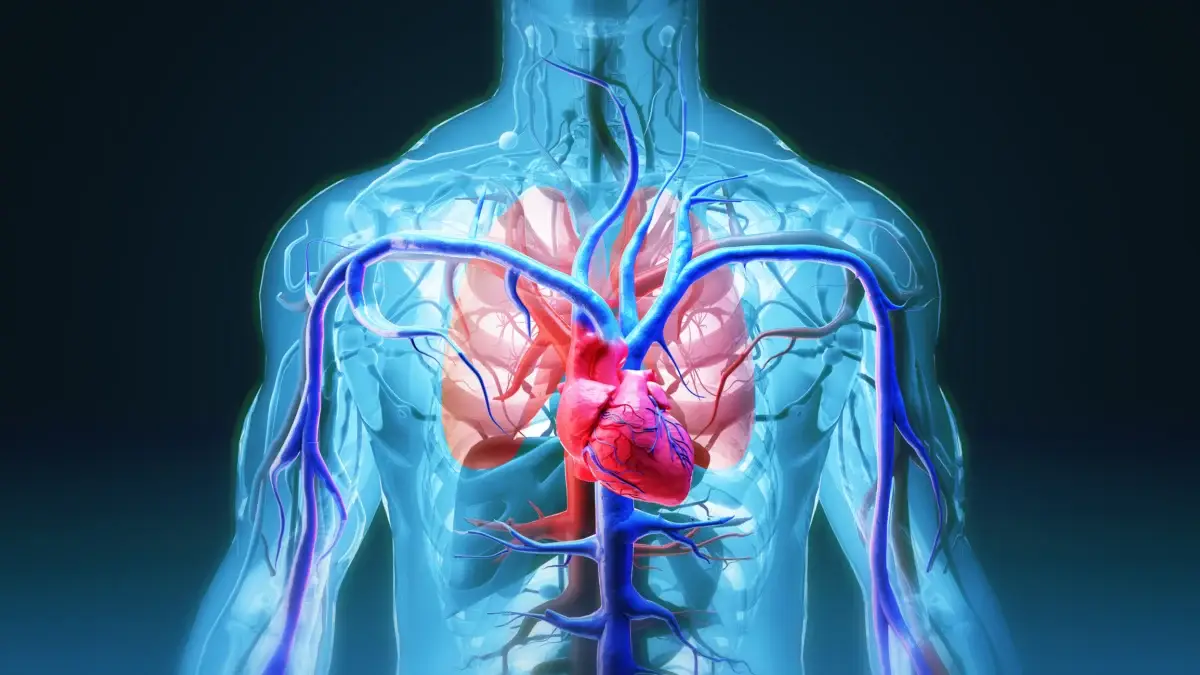
Inflammation is the primary destabilizing force on arterial linings that leads to most chronic disease. Think of inflammation as fire. We need to detect the fire and extinguish it with medication, supplements, and lifestyle changes. We also need to search for causes of the fire and treat them too. Causes include insulin resistance, sleep apnea, and periodontal disease, gout, and other inflammatory diseases.
Inflammation can occur in the arterial lining called the endothelium, or it can occur under the lining called the intima. There are markers that look at both locations, and together give us an idea of how hot your arteries are, and how at risk you are of a heart attack or stroke.
LpPLAC-2- this marker measures inflammation of the intima layer underneath the endothelium. It is very specific for vascular inflammation and is an important target of treatment to reduce stroke and heart attack risk.
Myeloperoxidase (MPO)- Low levels of MPO are necessary to fight infectious diseases. Moderately Elevated levels (>480) lead to a flow of cholesterol into the arterial wall. It also makes HDL cholesterol dysfunctional, which inhibits its ability to “shovel” cholesterol particles out of the arterial walls. High levels also weaken the fibrous cap of plaque and are predictive of a heart attack and stroke. MPO is a very important target of treatment.
HS CRP- HS CRP measures general inflammation somewhat specific to arterial linings. It is helpful if low (< 1.0). Other conditions can raise its level, so it is just a marker, not a target of treatment. However, if both HS CRP and MPO are elevated, we must be very aggressive because the combination suggests a 5 fold increased risk of heart attack.
Fibrinogen- Elevated fibrinogen (>350-400) suggests inflammation of the endothelial lining. The problem is that there are several other causes of fibrinogen elevation, so it is also only a piece of the puzzle, not a target of treatment.
Endothelial Dysfunction
Microalbumin/creatinine ratio (MACR)- Dysfunction of the endothelium adds to instability of a plaque. MACR is an indirect measure of endothelial function. Microalbumin is a protein. It measures how well your endothelium is actually functioning by measuring how much microalbumin is “slipping through” the arteries in your kidneys. If elevated, it places you at a 3 fold risk of heart attack or stroke in the next 6 years. Like MPO, MACR is a target of treatment. When you look at your MACR result, ignore the “normal” value of < 30. That is for diagnosing kidney disease in a diabetic, not for identifying endothelial dysfunction. The appropriate normals are < 4.0 in men and < 7.5 in women.
Summary
All markers are important to assess for vulnerable plaque. We will specifically target treatment to normalize the MPO, MACR, and LpPLAC-2.
Activate Your Young Genes
Dr. Charles Whitney
DNA is our personal genetic code. It is made up of thousands of genes we receive from our parents. Scientists finished mapping the human genome in 2003. This information has taught us that very little of our DNA is active at any given time.
There are groups of “young genes” generally turned on in young people, but become inactive as we age. Others called “old genes” are inactive in our youth, but turn on as we age. Research is showing that many of our young genes can be turned back on through implementing habits of health. We have actually discovered the fountain of youth!
Immune Dysfunction
Dr. Charles Whitney

Our immune system is our body’s “department of defense”. A high-functioning immune system is the key to a long healthspan. As the military of our body, it is designed to recognize threats, repair damage, and restore balance. It identifies enemies of good health and mounts an attack to kill cancer cells, infectious organisms, and eliminate toxins. A healthy immune system springs into action to mount an attack when needed. It then returns to its foxhole and lies quietly until the next invader attacks.
Inflammatory cytokines are the bullets used by our immune system. Many conditions including leaky gut, high visceral fat, and chronic infections like bacteria that cause gingivitis and periodontal disease cause the immune system to remain perpetually activated. It continuously releases the fire of inflammation. This maladaptive state leads to chronic inflammation and is the root cause of all chronic diseases.
Autoimmune disease is a state where our immune system attacks healthy human tissue. Low level of autoimmune disease is much more common than most realize.
Barrier Breakdown
Dr. Charles Whitney

Barrier breakdown is a common, silent and potentially devastating manifestation of chronic inflammation and autoimmune activity.
A barrier is any lining in our body that prevents disease causing organisms and chemicals from entering our body systems. The most obvious barrier is skin. Others include the blood-brain barrier, blood-artery wall barrier, and the gut lining. When these barriers begin to malfunction, disease-causing chemicals and organisms enter our brain and artery wall. The toxic waste from our gut “leaks” into our bloodstream to circulate and seed poisons throughout the body. Malfunction of the gut lining can also cause malabsorption of healthy nutrients.
Healing these barriers allows the body’s natural defense systems to work as intended, supporting health for years to come.